Showing posts with label Skin. Show all posts
Showing posts with label Skin. Show all posts
Wednesday, May 7, 2014

Monday, July 30, 2012

Sunday, July 8, 2012
How to Cure Bruises | Bruise Treatment
What is Bruises:
A bruise is a common skin injury that results in breakage of blood vessels under the skin. Blood from damaged blood vessels beneath the skin collects near the surface of the skin resulting in what we recognize as a black and blue mark. A bruise is also known as a contusion or a hematoma.

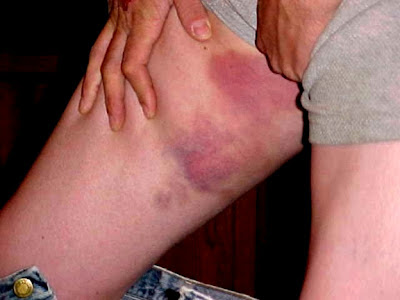
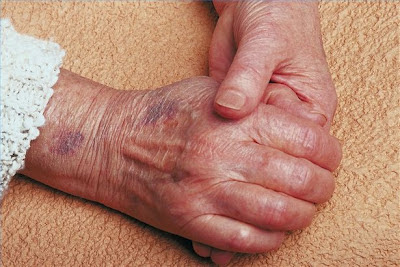
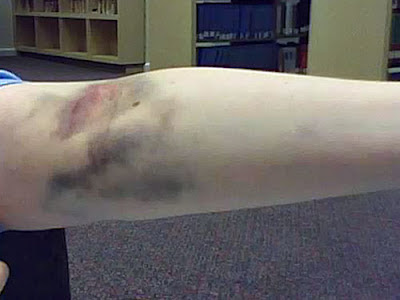
A bruise is a common skin injury that results in breakage of blood vessels under the skin. Blood from damaged blood vessels beneath the skin collects near the surface of the skin resulting in what we recognize as a black and blue mark. A bruise is also known as a contusion or a hematoma.

A bruise can sometimes be associated with a temporary raised
area in the skin. When a bruise fades, it becomes green and brown as the body
metabolizes the blood cells and bilirubin pigment in the skin. A bruise is best
treated with local application of a cold pack immediately after injury.

What Causes Bruising:
Bruises can occur in some people who exercise rigorously, such as athletes and weight lifters. These bruises result from microscopic tears in blood vessels under the skin. Certain illnesses and diseases can cause bruising.
Bruises can occur in some people who exercise rigorously, such as athletes and weight lifters. These bruises result from microscopic tears in blood vessels under the skin. Certain illnesses and diseases can cause bruising.

Symptoms Bruising:
The main symptoms are pain, swelling, and skin discoloration. The bruise begins as a pinkish red color that can be very tender to touch. It is often difficult to use the muscle that has been bruised. For example, a deep thigh bruise is painful when you walk or run.
The main symptoms are pain, swelling, and skin discoloration. The bruise begins as a pinkish red color that can be very tender to touch. It is often difficult to use the muscle that has been bruised. For example, a deep thigh bruise is painful when you walk or run.

Remedies for Bruises:
* Apply and rub in apple cider vinegar (preferably organic unfiltered apple cider vinegar) to the bruised area.
* Applying black pepper oil to the bruise will also draw the blood away from it.
* As soon as you get injured, apply Star Olive Oil to the sensitive spot. For minor bumps, it can help prevent a bruise from appearing.
* Make a compress and soak it in vinegar to alleviate the bruise and swelling. Avoid getting it in the eyes.
* Apply butter (not margarine!) immediately after getting bruised.
* Make a poultice of roasted onions and apply to the bruise.
* If your bruise has a ruptured blood vessel, apply Orajel. The numbing agent in it will reduce discoloration and also constrict the blood vessels back to normal.
* Macerate and heat some cabbage and apply to the affected area.
* Make a poultice of mustard and apply to the bruise. It will draw the blood away from the bruise.
* Apply a cream or a tincture of calendula to the bruise.
* Rub a cream with vitamin K on the bruise twice a day. Vitamin K will aid your body in breaking down blood and reabsorbing it.
* A tincture of witch hazel will relieve swelling and bruises. Apply as a cool compress.
* Apply and rub in apple cider vinegar (preferably organic unfiltered apple cider vinegar) to the bruised area.
* Applying black pepper oil to the bruise will also draw the blood away from it.
* As soon as you get injured, apply Star Olive Oil to the sensitive spot. For minor bumps, it can help prevent a bruise from appearing.
* Make a compress and soak it in vinegar to alleviate the bruise and swelling. Avoid getting it in the eyes.
* Apply butter (not margarine!) immediately after getting bruised.
* Make a poultice of roasted onions and apply to the bruise.
* If your bruise has a ruptured blood vessel, apply Orajel. The numbing agent in it will reduce discoloration and also constrict the blood vessels back to normal.
* Macerate and heat some cabbage and apply to the affected area.
* Make a poultice of mustard and apply to the bruise. It will draw the blood away from the bruise.
* Apply a cream or a tincture of calendula to the bruise.
* Rub a cream with vitamin K on the bruise twice a day. Vitamin K will aid your body in breaking down blood and reabsorbing it.
* A tincture of witch hazel will relieve swelling and bruises. Apply as a cool compress.
Sunday, May 13, 2012
Abscess Treatment | Abscess Cure
What is an Abscess:
An abscess is a local accumulation of pus. Pus is a thick fluid that usually contains white blood cells, dead tissue and bacteria (germs). It can occur almost anywhere on or in the body, but it most frequently occurs on the skin and on the gums of the mouth. Abscesses can be very tender and painful and are marked by inflammation, swelling, heat, redness, and often fever.


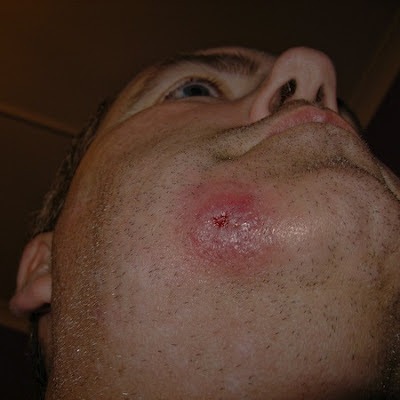
An abscess is a local accumulation of pus. Pus is a thick fluid that usually contains white blood cells, dead tissue and bacteria (germs). It can occur almost anywhere on or in the body, but it most frequently occurs on the skin and on the gums of the mouth. Abscesses can be very tender and painful and are marked by inflammation, swelling, heat, redness, and often fever.

An abscess occurs when the body tries to fight an infection
within the tissues of the body, sending white blood cells to fight further
infection. The blood cells collect around the site of infection, accumulating to
form pus. Abscesses frequently form on the skin, the most commonly known type is
a boil. Inside the body, abscesses can be much more serious, causing damage to
tissues and organs.
Abscess Symptoms:
The symptoms of an abscess depend on where it develops in your body.
If you have a skin abscess, you may have the following symptoms.
• A smooth swelling under your skin that can feel hard or firm
• Tenderness in the affected area
• Pain, warmth and redness (erythema) in the affected area
• An open wound or closed sore
• Pus in the affected area that appears white or yellow or may drain from the affected area
• A high temperature (fever) of 38C (100.4F) or above
• Chills
The symptoms of an abscess depend on where it develops in your body.
If you have a skin abscess, you may have the following symptoms.
• A smooth swelling under your skin that can feel hard or firm
• Tenderness in the affected area
• Pain, warmth and redness (erythema) in the affected area
• An open wound or closed sore
• Pus in the affected area that appears white or yellow or may drain from the affected area
• A high temperature (fever) of 38C (100.4F) or above
• Chills

Abscess Causes:
Abscesses may be caused by many different bacteria, fungi, or protozoans, which are kinds of disease causing microbes. Abscesses result from infections that are or become localized or confined to one part of the body, as opposed to infections that spread throughout the body.
Abscesses may be caused by many different bacteria, fungi, or protozoans, which are kinds of disease causing microbes. Abscesses result from infections that are or become localized or confined to one part of the body, as opposed to infections that spread throughout the body.

Abscess Remedies:
* Drink adequate quantity of water so that the bad toxins can be removed properly and there will be proper healing of abscess.
* If you have an abscess, there are some very effective basic steps you can take to treat it with home remedies.
* Take a slice of peeled potato(about 1 in. thick) and place it over the abscess or boil and secure it there with tape. Leave it on there for a couple hours and it will pull the poison out. You can see the poisons on the potato.
* Apply antibiotic ointment once the pus has drained, and bandage the abscess. Bacitracin ointment is commonly used as a home remedy and works well to treat lanced abscesses.
* Eat plenty of steamed leafy green vegetables to ensure that you are taking proper quantity of vitamins and minerals needed for healing.
* Apply a cloth soaked in one part lobelia and three parts mullein in warm water to bring the affected area to a head. Puncture lightly with a sterilized needle, and wash gently. Garlic oil will help defend against infection. Apply vitamin E oil twice a day to speed the healing process.
* Use heat, the number one home remedy to treat abscesses, to bring the abscess to a head. Place a clean, warm face cloth over the boil for 20 minutes at least three times a day. Rotate face cloths to maintain consistent heat. Warm compresses will bring the abscess to a head.
* 3o drop echinacea tincture 6o drop.a yerba mania tincture 1 cup warm water. Combine all the ingredients. Take up to five times per day to stimulate the immune system and help eliminate the infection.
* 1 to 2 teaspoons barberries 1 tablespoon white oak bark 1 teaspoon echinacea root 1 teaspoon granulated Oregon grape root 2 cups boiling water. Combine the herbs in a glass container. Pour the boiling water over the herbs and soak for 3 to 4 hours; strain. Use three times a day as a wash. If you are using this tea to treat a gum abscess, be sure to swish the liquid around in your mouth for several minutes before spitting it out.
* Thick slices of raw onion can be placed on the boil and covered with a cloth. The onion should be replaced every three hours until the abscess comes to a head and bursts,
* Avoid all fried foods and all the food stuffs which contain refined sugar as these slow down healing process.
* Keeping the skin clean, eating a proper diet, and getting regular exercise can also help treat and prevent skin abscesses. Each of these actions helps keep the immune system strong, improving its ability to fend off infections or illnesses that may lead to skin abscesses.
* Drink adequate quantity of water so that the bad toxins can be removed properly and there will be proper healing of abscess.
* If you have an abscess, there are some very effective basic steps you can take to treat it with home remedies.
* Take a slice of peeled potato(about 1 in. thick) and place it over the abscess or boil and secure it there with tape. Leave it on there for a couple hours and it will pull the poison out. You can see the poisons on the potato.
* Apply antibiotic ointment once the pus has drained, and bandage the abscess. Bacitracin ointment is commonly used as a home remedy and works well to treat lanced abscesses.
* Eat plenty of steamed leafy green vegetables to ensure that you are taking proper quantity of vitamins and minerals needed for healing.
* Apply a cloth soaked in one part lobelia and three parts mullein in warm water to bring the affected area to a head. Puncture lightly with a sterilized needle, and wash gently. Garlic oil will help defend against infection. Apply vitamin E oil twice a day to speed the healing process.
* Use heat, the number one home remedy to treat abscesses, to bring the abscess to a head. Place a clean, warm face cloth over the boil for 20 minutes at least three times a day. Rotate face cloths to maintain consistent heat. Warm compresses will bring the abscess to a head.
* 3o drop echinacea tincture 6o drop.a yerba mania tincture 1 cup warm water. Combine all the ingredients. Take up to five times per day to stimulate the immune system and help eliminate the infection.
* 1 to 2 teaspoons barberries 1 tablespoon white oak bark 1 teaspoon echinacea root 1 teaspoon granulated Oregon grape root 2 cups boiling water. Combine the herbs in a glass container. Pour the boiling water over the herbs and soak for 3 to 4 hours; strain. Use three times a day as a wash. If you are using this tea to treat a gum abscess, be sure to swish the liquid around in your mouth for several minutes before spitting it out.
* Thick slices of raw onion can be placed on the boil and covered with a cloth. The onion should be replaced every three hours until the abscess comes to a head and bursts,
* Avoid all fried foods and all the food stuffs which contain refined sugar as these slow down healing process.
* Keeping the skin clean, eating a proper diet, and getting regular exercise can also help treat and prevent skin abscesses. Each of these actions helps keep the immune system strong, improving its ability to fend off infections or illnesses that may lead to skin abscesses.
Sunday, April 22, 2012
Athletes Foot Treatment
What is Athlete's Foot:
Athlete's foot is a very common infection that affects mostly men and young people. Athlete's foot attacks the area between toes, soles of feet fingernails and toenails. This infection is cause by a fungus called tinea pedis it lives off the dead skin cells, and thrives in moist, warm places, such as gyms, locker rooms, showers and swimming pools. Athlete's foot is also very contagious and is transmitted by coming in contact with wet floors, or by touching infected shoes or socks.
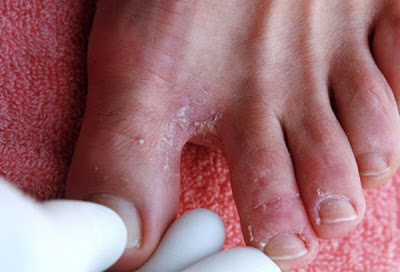


Athlete's foot is a very common infection that affects mostly men and young people. Athlete's foot attacks the area between toes, soles of feet fingernails and toenails. This infection is cause by a fungus called tinea pedis it lives off the dead skin cells, and thrives in moist, warm places, such as gyms, locker rooms, showers and swimming pools. Athlete's foot is also very contagious and is transmitted by coming in contact with wet floors, or by touching infected shoes or socks.

Athlete's foot can also spread to the palms of your hands,
groin, or underarms if you touch your feet and then touch another area of your
body. Athlete's foot doesn't just aggravate athletes; anyone whose feet tend to
be damp or sweaty can get this infection. The fungi that cause athlete's foot
thrive in warm, moist environments.

Athlete’s Foot Symptoms:
Many individuals with athlete's foot have no symptoms at all and do not even know they have an infection. Many may think they simply have dry skin on the soles of their feet. Common symptoms of athlete's foot typically include various degrees of itching and burning. The skin may frequently peel, and in particularly severe cases, there may be some cracking, pain, and bleeding as well. Rarely, athlete's foot can blister.
Many individuals with athlete's foot have no symptoms at all and do not even know they have an infection. Many may think they simply have dry skin on the soles of their feet. Common symptoms of athlete's foot typically include various degrees of itching and burning. The skin may frequently peel, and in particularly severe cases, there may be some cracking, pain, and bleeding as well. Rarely, athlete's foot can blister.

Home Remedies for Athletes Foot:
* Dilute a cup of apple cider vinegar with an equal amount of water. Use this diluted solution to wash the affected skin. Apple cider vinegar is acidic in nature and can easily help kill off the fungal strains that cause the infection.
* Drink pau d'arco tea and soak your feet in a more concentrated form about 10 tea bags.
* Disolve 6 aspirins in 1/2 a cup of rubbing alcohol, shake well and apply on clean, dry feet. Repeat three times a day for three days or until athlete's foot is gone.
* Dry between your toes after swimming or bathing.
* Wear cotton socks to absorb sweat. Change your socks twice a day. (White socks do not prevent athlete's foot, as some people believe.)
* When indoors, wear socks without shoes.
* Fill a basin with one quart of water and add two spoons of betadine in the basin. Soak your feet in the warm water and betadine solution to get rid of any microbes in your feet. This also helps prevent bacterial infections from spreading in your feet and making you sick.
* Wear shower sandals in public pools and showers.
* Olive Leaf Extract comes from the olive tree which manufactures its own potent antibiotic substances to fend off disease causing bacteria, fungus and parasites. Olive Leaf Extract is an excellent antiviral agent. Olive Leaf Extract may be useful for herpes, flu, bacteria, malaria, fungal and yeast infections, inflammation, high blood pressure, diabetes, chronic fatigue and colds.
* Use talcum or anti-fungal powder on your feet.
* Dilute a cup of apple cider vinegar with an equal amount of water. Use this diluted solution to wash the affected skin. Apple cider vinegar is acidic in nature and can easily help kill off the fungal strains that cause the infection.
* Drink pau d'arco tea and soak your feet in a more concentrated form about 10 tea bags.
* Disolve 6 aspirins in 1/2 a cup of rubbing alcohol, shake well and apply on clean, dry feet. Repeat three times a day for three days or until athlete's foot is gone.
* Dry between your toes after swimming or bathing.
* Wear cotton socks to absorb sweat. Change your socks twice a day. (White socks do not prevent athlete's foot, as some people believe.)
* When indoors, wear socks without shoes.
* Fill a basin with one quart of water and add two spoons of betadine in the basin. Soak your feet in the warm water and betadine solution to get rid of any microbes in your feet. This also helps prevent bacterial infections from spreading in your feet and making you sick.
* Wear shower sandals in public pools and showers.
* Olive Leaf Extract comes from the olive tree which manufactures its own potent antibiotic substances to fend off disease causing bacteria, fungus and parasites. Olive Leaf Extract is an excellent antiviral agent. Olive Leaf Extract may be useful for herpes, flu, bacteria, malaria, fungal and yeast infections, inflammation, high blood pressure, diabetes, chronic fatigue and colds.
* Use talcum or anti-fungal powder on your feet.
Sunday, March 25, 2012
Chickenpox Treatment | Chickenpox Relief
What is Chickenpox:
Chickenpox is a common illness that causes an itchy rash and red spots or blisters (pox) all over the body. It is most common in children, but most people will get chickenpox at some point in their lives if they have not had the chickenpox vaccine. One or two days later a pimple like eruptions appear on the body they are filled with fluid and look like blisters, then they crust over.




Chickenpox is a common illness that causes an itchy rash and red spots or blisters (pox) all over the body. It is most common in children, but most people will get chickenpox at some point in their lives if they have not had the chickenpox vaccine. One or two days later a pimple like eruptions appear on the body they are filled with fluid and look like blisters, then they crust over.
During this period itching can be very annoying but scratching
them can lead to infection and scarring. chicken pox normally starts and
finishes in about two weeks but people with weak immune systems or newborns can
have very serious complications, if infected prenatally there is a risk of birth
defects.

Symptoms of Chickenpox:
Chickenpox causes a red, itchy skin rash that usually appears first on the abdomen or back and face, and then spreads to almost everywhere else on the body, including the scalp, mouth, nose, ears, and genitals.
Chickenpox causes a red, itchy skin rash that usually appears first on the abdomen or back and face, and then spreads to almost everywhere else on the body, including the scalp, mouth, nose, ears, and genitals.
Chickenpox Causes:
Chickenpox is a highly contagious illness caused by primary infection with varicella zoster virus. This virus is transmitted by air coughing or sneezing or physical contact with a sick person.
Chickenpox is a highly contagious illness caused by primary infection with varicella zoster virus. This virus is transmitted by air coughing or sneezing or physical contact with a sick person.
Chickenpox Remedies:
* The use of vitamin E oil is valuable in chickenpox. This oil should be rubbed on the skin. It will have a healing effect. The marks left by chicken pox will fade away by this application.
* The use of honey as an external application has also proved valuable in chicken pox. The skin should be smeared with honey. It will help in the healing of the disease within three days.
* Garlic taken orally in capsule form can help fight off infection.
* Take a lukewarm bath with neem leaves to help with itching.
* Drink lots of water to prevent dehydration. Also, drink fresh juices.
* Fill the bath tub with cool water and add ginger to it, take a 30 minute bath. This helps stop the itching.
* Baking soda is a popular remedy to control the itching in chicken pox.
* A soft, bland diet if chickenpox sores develop in the mouth.
* Apply Sandalwood oil (not the paste) from the first day of appearance of rash till the fall of scabs. helps.
* Application of mud packs on the abdomen twice a day, in the morning and evening, and repeated applications of chest packs will be beneficial.
* Brown Vinegar One-half cup of brown mixed in bath water helps sooth the itch, and comforts the skin.
* 100 grams of carrots and 60 grams of coriander should be cut into small pieces and boiled together. This should be done once a day.
* The use of vitamin E oil is valuable in chickenpox. This oil should be rubbed on the skin. It will have a healing effect. The marks left by chicken pox will fade away by this application.
* The use of honey as an external application has also proved valuable in chicken pox. The skin should be smeared with honey. It will help in the healing of the disease within three days.
* Garlic taken orally in capsule form can help fight off infection.
* Take a lukewarm bath with neem leaves to help with itching.
* Drink lots of water to prevent dehydration. Also, drink fresh juices.
* Fill the bath tub with cool water and add ginger to it, take a 30 minute bath. This helps stop the itching.
* Baking soda is a popular remedy to control the itching in chicken pox.
* A soft, bland diet if chickenpox sores develop in the mouth.
* Apply Sandalwood oil (not the paste) from the first day of appearance of rash till the fall of scabs. helps.
* Application of mud packs on the abdomen twice a day, in the morning and evening, and repeated applications of chest packs will be beneficial.
* Brown Vinegar One-half cup of brown mixed in bath water helps sooth the itch, and comforts the skin.
* 100 grams of carrots and 60 grams of coriander should be cut into small pieces and boiled together. This should be done once a day.
How is Chickenpox Treated:
* Avoid scratching the blisters because of the risk of infection.
* Cut the nails short or make the patient wear gloves.
* Pay attention to personal hygiene.
* Keep the patient in cold surroundings because heat and sweat may make the itching worse.
* Avoid scratching the blisters because of the risk of infection.
* Cut the nails short or make the patient wear gloves.
* Pay attention to personal hygiene.
* Keep the patient in cold surroundings because heat and sweat may make the itching worse.
Sunday, January 22, 2012
Anti Aging Skin Treatment | Anti Aging Remedies
What is Anti Aging:
In this article I will discuss one really actual problem for every single person on this planet aging. For centuries, many people tried to find a source of youth, however, they did not manage to find it and that is why we need to use various anti aging products and methods to improve our skin.


In this article I will discuss one really actual problem for every single person on this planet aging. For centuries, many people tried to find a source of youth, however, they did not manage to find it and that is why we need to use various anti aging products and methods to improve our skin.

Anti Aging is the process of delaying the effects of aging,
particularly of skin like wrinkles, lines, crowfeet, sags, and so on. Aging is a
natural process, and it is also true that no one can completely prevent nature.

There are many factors that cause aging. The most important one
is our genetics. Other factors such as our diet, our lifestyle, our bad habits
are also very important.

Anti Aging Remedies:
1. Using a few drops of lemon juice on cotton wool and dabbing it on your face as part of your daily cleansing routine can reduce the appearance of blemishes, uneven skin tone and age spots.
2. Aloe is known for its beneficial properties on the skin. It moisturizes and soothes dry skin. If you haven't heard already moisturized skin is vital to anti aging skin care and aloe vera gel makes a great healing moisturizer. Use it on your face and body as often as possible.
3. Your skin will become freshet, softer and younger looking if you will drink the right amount of water a day, and the right amount of water you have to drink is 6-8 glasses a day.
4. Carrots are anti oxidant foods which help remove toxins in your body. They are good to eat and even better to apply on your skin. Add carrot juice to your moisturizer and see how young your complexion will look.
5. Pineapple strong anti aging fruit you have to cut off the core of a pineapple and rub it over your face. After rubbing the pineapple onto the face leave to dry for 10-15 minutes then gently remove with water. Pineapple will help you remove the signs of early wrinkles and lines quickly and easily.
1. Using a few drops of lemon juice on cotton wool and dabbing it on your face as part of your daily cleansing routine can reduce the appearance of blemishes, uneven skin tone and age spots.
2. Aloe is known for its beneficial properties on the skin. It moisturizes and soothes dry skin. If you haven't heard already moisturized skin is vital to anti aging skin care and aloe vera gel makes a great healing moisturizer. Use it on your face and body as often as possible.
3. Your skin will become freshet, softer and younger looking if you will drink the right amount of water a day, and the right amount of water you have to drink is 6-8 glasses a day.
4. Carrots are anti oxidant foods which help remove toxins in your body. They are good to eat and even better to apply on your skin. Add carrot juice to your moisturizer and see how young your complexion will look.
5. Pineapple strong anti aging fruit you have to cut off the core of a pineapple and rub it over your face. After rubbing the pineapple onto the face leave to dry for 10-15 minutes then gently remove with water. Pineapple will help you remove the signs of early wrinkles and lines quickly and easily.

6. Honey is a great humectants and helps your skin stay supple
and smooth. Make a mask of honey and mix in the contents of Vitamin E capsules.
Leave it on for ten minutes and rinse with warm milk and pat dry.
7. Potato has a great anti-aging properties. Grinding one medium sized potato with two tablespoons of apple sauce and applying onto the skin for 15-25 minutes. You will see that your face skin has become softer.
8. A fruit mask help remove old skin cells leaving behind fresh young skin. Crush strawberries, bananas, and cucumbers to create a mask. Apply and leave on for ten minutes. Rinse with warm water and pat dry.
9. Stop smoking. Smoking decreases the health of your skin considerably and will cause wrinkles to form more easily.
10. The most important anti aging thing you can do for your skin is get rest.
11. Reflected sunlight is just as dangerous as direct sunlight. Light toned surfaces can actually reflect high levels of sunlight back up into your face.
12. Many wrinkles are caused by the skin staying immobile for long periods of time. By doing regular expression exercises, you will increase the elasticity in your skin and reduce wrinkles.
7. Potato has a great anti-aging properties. Grinding one medium sized potato with two tablespoons of apple sauce and applying onto the skin for 15-25 minutes. You will see that your face skin has become softer.
8. A fruit mask help remove old skin cells leaving behind fresh young skin. Crush strawberries, bananas, and cucumbers to create a mask. Apply and leave on for ten minutes. Rinse with warm water and pat dry.
9. Stop smoking. Smoking decreases the health of your skin considerably and will cause wrinkles to form more easily.
10. The most important anti aging thing you can do for your skin is get rest.
11. Reflected sunlight is just as dangerous as direct sunlight. Light toned surfaces can actually reflect high levels of sunlight back up into your face.
12. Many wrinkles are caused by the skin staying immobile for long periods of time. By doing regular expression exercises, you will increase the elasticity in your skin and reduce wrinkles.
Sunday, December 25, 2011
Treating Ringworm | Ringworm Relief
What is Ringworm:
Ringworm, which isn't a worm at all, can affect not only the skin, but also the nails and scalp. Ringworm of the skin starts as a red, scaly patch or bump. Ringworm tends to be very itchy and uncomfortable.
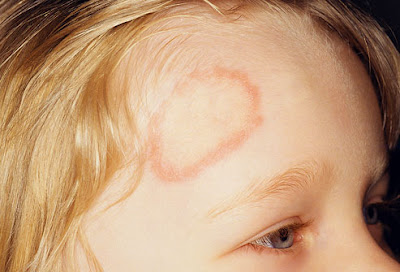


Ringworm, which isn't a worm at all, can affect not only the skin, but also the nails and scalp. Ringworm of the skin starts as a red, scaly patch or bump. Ringworm tends to be very itchy and uncomfortable.

Ringworm occurs when a particular type of fungus grows and
multiplies anywhere on your skin, scalp, fingers, nails or feet. Ringworm of the
body can develop anywhere on the skin and can spread rapidly to other parts of
the body or to other people with whom there is close bodily contact or touching.

What Causes Ringworm:
Ringworm is caused by a particular type of fungi, called dermatophytes, which live off keratin. Keratin is a tough, waterproof tissue found in many parts of your body including your skin, nails and hair.
Ringworm is caused by a particular type of fungi, called dermatophytes, which live off keratin. Keratin is a tough, waterproof tissue found in many parts of your body including your skin, nails and hair.

Ringworm Symptoms:
Symptoms of ringworm include:
• Itchy, red, raised, scaly patches that may blister and ooze.
• The patches tend to have sharply-defined edges.
• Red patches are often redder around the outside with normal skin tone in the center. This may look like a ring.
If ringworm affects your hair, you will have bald patches.
If ringworm affects your nails, they will become discolored, thick, and even crumble.
Symptoms of ringworm include:
• Itchy, red, raised, scaly patches that may blister and ooze.
• The patches tend to have sharply-defined edges.
• Red patches are often redder around the outside with normal skin tone in the center. This may look like a ring.
If ringworm affects your hair, you will have bald patches.
If ringworm affects your nails, they will become discolored, thick, and even crumble.

Ringworm Remedies:
1. Uncooked papaya is a great way to treat ringworm. Rub a few slices of the papaya about the areas of the body where there are ringworms. A paste made from dried papaya seeds may also be applied about the ringworm areas.
2. Chamomile tea, taken three times a day, should help clear ringworm. It can also be applied directly to the affected areas with a cotton ball three times a day.
3. Liquid of fig leaf can also be effective with regard to treating ringworm. Break the leaf and rub the actual white juice on and around the ringworm. Repeat the process until it's gone.
4. Take a cup of lemongrass tea three times a day. While you drink the tea, apply the used tea bags to the affected areas. This should help ringworm to clear faster.
5. Butea Seeds may also be used for dealing with ringworm. Create a paste from the Butea Seed products and mix. Apply the actual paste towards the affected pores and skin.
6. Olive-leaf extract has antifungal properties and helps to fortify the immune system. Take 250 milligrams three times a day.
7. The leaves associated with holy basil will also be useful, all you have to do is extract the actual juice and apply it to the patches of skin.
8. Repeatedly rub a small amount of vinegar onto your skin for those who have re-occurring ringworm.
9. Juice extracted from fresh and raw vegetables are also helpful as ringworm remedies.
1. Uncooked papaya is a great way to treat ringworm. Rub a few slices of the papaya about the areas of the body where there are ringworms. A paste made from dried papaya seeds may also be applied about the ringworm areas.
2. Chamomile tea, taken three times a day, should help clear ringworm. It can also be applied directly to the affected areas with a cotton ball three times a day.
3. Liquid of fig leaf can also be effective with regard to treating ringworm. Break the leaf and rub the actual white juice on and around the ringworm. Repeat the process until it's gone.
4. Take a cup of lemongrass tea three times a day. While you drink the tea, apply the used tea bags to the affected areas. This should help ringworm to clear faster.
5. Butea Seeds may also be used for dealing with ringworm. Create a paste from the Butea Seed products and mix. Apply the actual paste towards the affected pores and skin.
6. Olive-leaf extract has antifungal properties and helps to fortify the immune system. Take 250 milligrams three times a day.
7. The leaves associated with holy basil will also be useful, all you have to do is extract the actual juice and apply it to the patches of skin.
8. Repeatedly rub a small amount of vinegar onto your skin for those who have re-occurring ringworm.
9. Juice extracted from fresh and raw vegetables are also helpful as ringworm remedies.
Sunday, December 11, 2011
Psoriasis Treatment | Cure for Psoriasis | How to Treat Psoriasis
What is Psoriasis:
Psoriasis is a noncontagious skin condition that produces red, dry plaques of thickened skin. The dry flakes and skin scales are thought to result from the rapid proliferation of skin cells that is triggered by abnormal lymphocytes from the blood . Psoriasis commonly affects the skin of the elbows, knees, and scalp.


Psoriasis is a noncontagious skin condition that produces red, dry plaques of thickened skin. The dry flakes and skin scales are thought to result from the rapid proliferation of skin cells that is triggered by abnormal lymphocytes from the blood . Psoriasis commonly affects the skin of the elbows, knees, and scalp.

Psoriasis is a medical condition that occurs when skin cells
grow too quickly. Faulty signals in the immune system cause new skin cells to
form in days rather than weeks. The body does not shed these excess skin cells,
so the cells pile up on the surface of the skin and lesions form.

Types of Psoriasis:
Psoriasis is a common and chronic skin disorder. Plaque psoriasis is the most common type of psoriasis and is characterized by red skin covered with silvery scales and inflammation. Patches of circular to oval-shaped red plaques that itch or burn are typical of plaque psoriasis. The patches are usually found on the arms, legs, trunk, or scalp but may be found on any part of the skin. The most typical areas are the knees and elbows.
Psoriasis is a common and chronic skin disorder. Plaque psoriasis is the most common type of psoriasis and is characterized by red skin covered with silvery scales and inflammation. Patches of circular to oval-shaped red plaques that itch or burn are typical of plaque psoriasis. The patches are usually found on the arms, legs, trunk, or scalp but may be found on any part of the skin. The most typical areas are the knees and elbows.

Psoriasis Causes:
Till today, the exact cause is still unknown to mankind although it has been noted that most of the time; this incurable disease can be triggered by certain conditions listed below:
* Strep infection (which may trigger guttate kind of psoriasis).
* Sunburn.
* Skin Injury.
* Medications.
* Stress.
* Infection.
Till today, the exact cause is still unknown to mankind although it has been noted that most of the time; this incurable disease can be triggered by certain conditions listed below:
* Strep infection (which may trigger guttate kind of psoriasis).
* Sunburn.
* Skin Injury.
* Medications.
* Stress.
* Infection.

Symptoms of Psoriasis:
Psoriasis signs and symptoms can vary from person to person but may include one or more of the following:
1. Red patches of skin covered with silvery scales.
2. Small scaling spots (commonly seen in children).
3. Dry, cracked skin that may bleed.
4. Itching, burning or soreness.
5. Thickened, pitted or ridged nails.
6. Swollen and stiff joints.
Psoriasis signs and symptoms can vary from person to person but may include one or more of the following:
1. Red patches of skin covered with silvery scales.
2. Small scaling spots (commonly seen in children).
3. Dry, cracked skin that may bleed.
4. Itching, burning or soreness.
5. Thickened, pitted or ridged nails.
6. Swollen and stiff joints.

Psoriasis Remedies:
1. Bathing daily helps remove scales and calm inflamed skin. Add bath oil, colloidal oatmeal, Epsom salts or Dead Sea salts to the water and soak for at least 15 minutes. Avoid hot water and harsh soaps, which can worsen symptoms; use lukewarm water and mild soaps that have added oils and fats.
2. Blot your skin after bathing, then immediately apply a heavy, ointment based moisturizer while your skin is still moist. For very dry skin, oils may be preferable.
3. Apple cider vinegar diluted in water can be used to temporarily help relieve itching and scaling. Apple cider vinegar or white vinegar can also be diluted in three to four times as much lukewarm water and poured over the head, rubbed in, left for one minute, and then rinsed out. Or you can add 1/2 cup of cider vinegar to a tubful of bath water to help restore acidity to the skin.
4. As psoriasis is considered to be a metabolic disorder, cucumbers, grapes, carrots and beetroots help in curing this skin ailment as they have cleansing properties
5. To help improve redness and scaling, apply an ointment based moisturizer to your skin and wrap with plastic wrap overnight. In the morning, remove the covering and wash away the scales with a bath or a shower.
6. Burdock root can help improve flare ups of psoriasis. Take 20 to 40 drops of tincture three times a day.
7. Chamomile is widely used in Europe for treating psoriasis. It contains anti inflammatory flavonoid compounds. If you have ragweed allergies, however, do not use chamomile, as it is a member of the ragweed family.
8. Fruits, grains, nuts, seeds, vegetables particularly organically grown vegetables, sunflower seeds and sesame seeds are good and favorable to cure psoriasis naturally.
9. All animal fats that include eggs, processed or refined foods, butter and milk must be avoided. It is said that these cause psoriasis.
10. Foods that contain whit sugar or hydrogenated fats and all condiments, coffee and tea must be avoided.
11. Alcohol consumption may decrease the effectiveness of some psoriasis treatments.
1. Bathing daily helps remove scales and calm inflamed skin. Add bath oil, colloidal oatmeal, Epsom salts or Dead Sea salts to the water and soak for at least 15 minutes. Avoid hot water and harsh soaps, which can worsen symptoms; use lukewarm water and mild soaps that have added oils and fats.
2. Blot your skin after bathing, then immediately apply a heavy, ointment based moisturizer while your skin is still moist. For very dry skin, oils may be preferable.
3. Apple cider vinegar diluted in water can be used to temporarily help relieve itching and scaling. Apple cider vinegar or white vinegar can also be diluted in three to four times as much lukewarm water and poured over the head, rubbed in, left for one minute, and then rinsed out. Or you can add 1/2 cup of cider vinegar to a tubful of bath water to help restore acidity to the skin.
4. As psoriasis is considered to be a metabolic disorder, cucumbers, grapes, carrots and beetroots help in curing this skin ailment as they have cleansing properties
5. To help improve redness and scaling, apply an ointment based moisturizer to your skin and wrap with plastic wrap overnight. In the morning, remove the covering and wash away the scales with a bath or a shower.
6. Burdock root can help improve flare ups of psoriasis. Take 20 to 40 drops of tincture three times a day.
7. Chamomile is widely used in Europe for treating psoriasis. It contains anti inflammatory flavonoid compounds. If you have ragweed allergies, however, do not use chamomile, as it is a member of the ragweed family.
8. Fruits, grains, nuts, seeds, vegetables particularly organically grown vegetables, sunflower seeds and sesame seeds are good and favorable to cure psoriasis naturally.
9. All animal fats that include eggs, processed or refined foods, butter and milk must be avoided. It is said that these cause psoriasis.
10. Foods that contain whit sugar or hydrogenated fats and all condiments, coffee and tea must be avoided.
11. Alcohol consumption may decrease the effectiveness of some psoriasis treatments.
Sunday, November 27, 2011
Skin Care for Dry Skin | Dry Skin Treatment | Dry Skin Care
What is Dry Skin:
Skin is the most important organ of our body whose care and health is very essential. Skin adopts weather effects frequently that can also result in harm to it. Specially winter season badly dries our skin and snatches its attraction as well.


Skin is the most important organ of our body whose care and health is very essential. Skin adopts weather effects frequently that can also result in harm to it. Specially winter season badly dries our skin and snatches its attraction as well.

Dry skin is one of the most common skin problems. In order to
stay soft and supple your skin needs to retain its natural moisture. But when
exposed to direct sunlight in summer or harsh weather (cold and wind) in winter,
when the central heating dries out the skin, it quickly loses its natural
moisture and oils, becomes dry and chapped.

Dry Skin Causes:
1. The oil glands do not supply enough lubrication to the skin. As a result, the skin becomes dehydrated.
2. Skin gets exposed to the elements especially in winter.
3. Dry skin could be due to a genetic condition.
4. Deficiency of some minerals and vitamins also result in rough and dry skin.
5. Environmental factors such as exposure to sun, wind, cold, chemicals, or cosmetics, or excessive bathing with harsh soaps.
6. Some shampoos could also cause your scalp and skin to dry out.
7. Conditions such as dermatitis, eczema, psoriasis, or seborrhea.
1. The oil glands do not supply enough lubrication to the skin. As a result, the skin becomes dehydrated.
2. Skin gets exposed to the elements especially in winter.
3. Dry skin could be due to a genetic condition.
4. Deficiency of some minerals and vitamins also result in rough and dry skin.
5. Environmental factors such as exposure to sun, wind, cold, chemicals, or cosmetics, or excessive bathing with harsh soaps.
6. Some shampoos could also cause your scalp and skin to dry out.
7. Conditions such as dermatitis, eczema, psoriasis, or seborrhea.

Dry Skin Symptoms:
Signs and symptoms of dry skin depend on your age, your health status, your locale, the amount of time you spend outdoors and the cause of the problem.
* A feeling of skin tightness, especially after showering, bathing or swimming.
* Skin that appears shrunken or dehydrated.
* Skin that feels and looks rough rather than smooth.
* Itching that sometimes may be intense.
* Fine lines or cracks.
* Redness.
Signs and symptoms of dry skin depend on your age, your health status, your locale, the amount of time you spend outdoors and the cause of the problem.
* A feeling of skin tightness, especially after showering, bathing or swimming.
* Skin that appears shrunken or dehydrated.
* Skin that feels and looks rough rather than smooth.
* Itching that sometimes may be intense.
* Fine lines or cracks.
* Redness.

Home Remedies for Dry Skin:
1. Drink lots of water. It helps to keep your body hydrated and can alleviate dry skin to a great extent.
2. A warm glass of milk mixed with a teaspoon or two of almond oil, before bedtime, can work wonders.
3. Before hitting the showers, rub honey all over your body and leave it on for 5 to 10 minutes for a moisturizing feeling.
4. Try rubbing oatmeal on hands before washing.
5. Coconut or avocado oil is also really good for treating dry skin.
6. Glycerin oil is a good remedy for dry skin.
7. Petroleum jelly is one of the best remedies for dry lips, hands, and feet.
8. Include plenty of fruits into your diet.
9. Bananas can also be used to treat dry skin on your face and neck. Just mash a banana (ripe ones work better) and apply it like a face pack. After some time wash your face with warm water.
10. Get plenty of exercise as exercise helps to unblock your pores.
11. Quit smoking and see the difference.
12. Try to include spices such as turmeric, cumin, and coriander in your diet. They help to soothe and relieve dry skin.
1. Drink lots of water. It helps to keep your body hydrated and can alleviate dry skin to a great extent.
2. A warm glass of milk mixed with a teaspoon or two of almond oil, before bedtime, can work wonders.
3. Before hitting the showers, rub honey all over your body and leave it on for 5 to 10 minutes for a moisturizing feeling.
4. Try rubbing oatmeal on hands before washing.
5. Coconut or avocado oil is also really good for treating dry skin.
6. Glycerin oil is a good remedy for dry skin.
7. Petroleum jelly is one of the best remedies for dry lips, hands, and feet.
8. Include plenty of fruits into your diet.
9. Bananas can also be used to treat dry skin on your face and neck. Just mash a banana (ripe ones work better) and apply it like a face pack. After some time wash your face with warm water.
10. Get plenty of exercise as exercise helps to unblock your pores.
11. Quit smoking and see the difference.
12. Try to include spices such as turmeric, cumin, and coriander in your diet. They help to soothe and relieve dry skin.
Sunday, October 30, 2011
Winter Skin Care Tips | Winter Skin Remedies
What is Winter Skin:
When you are outside, the cold temperatures result in a poor blood circulation in your facial skin. As a result your skin does not get enough nutrients and oxygen and all the healthy, regenerative processes in your skin slow down. As a result, skin looses its healthy color and becomes dull or pale.



When you are outside, the cold temperatures result in a poor blood circulation in your facial skin. As a result your skin does not get enough nutrients and oxygen and all the healthy, regenerative processes in your skin slow down. As a result, skin looses its healthy color and becomes dull or pale.

Already the waves of winter are making your skin all dried
up that even the lotions and medicines have stopped providing a useful cure. In
winters the skin becomes dry and irritated causing eczema.

Here are some skin care tips for making your skin
comfortable in winter.
Winter Skin Care Tips:
1. One good option would be to put moisture back into the air. A humidifying system can help your skin remain supple instead of cracked and dry. You can buy a system from your local drug store.
2. Don’t say goodbye to your sunscreen just because summer is over. Before you leave your house, apply a sunscreen with at least an SPF of 15 or more. This will protect your skin from the elements. Alternatively, choose a product can combines a sunscreen with a moisturizer.
3. Applying moisturizer immediately after taking a shower or washing your face will help lock-in moisture.
4. Stash soothing lip balms in your purse, car, and desk to keep lips from chapping. Dr. Shamban says you can also apply few drops of olive oil mixed with few drops of honey to your lips for few minutes to hydrate.
1. One good option would be to put moisture back into the air. A humidifying system can help your skin remain supple instead of cracked and dry. You can buy a system from your local drug store.
2. Don’t say goodbye to your sunscreen just because summer is over. Before you leave your house, apply a sunscreen with at least an SPF of 15 or more. This will protect your skin from the elements. Alternatively, choose a product can combines a sunscreen with a moisturizer.
3. Applying moisturizer immediately after taking a shower or washing your face will help lock-in moisture.
4. Stash soothing lip balms in your purse, car, and desk to keep lips from chapping. Dr. Shamban says you can also apply few drops of olive oil mixed with few drops of honey to your lips for few minutes to hydrate.

5. Although it doesn’t taste very great flaxseed oil can
moisturize your body from the inside. Since it is rich in vital fatty acids it
can do a lot for your overall health. It is available in oil form as well as in
capsule form.
6. Gloves help in protecting your skin against dryness. Some people believe that if you wear a cotton mitten next to the skin and a woolen mitten over the cotton one, it keeps hands warm and dry.
7. Dr.Shamban says you should never shower, bath or wash your face with extremely hot water. It can not only break the capillaries in the face, but also break down the lipid barriers in the skin, which will lead to a loss of moisture.
8. Besides keeping you warm, a hat will hold in moisture and protect your scalp from dry air and flaking. Make sure your hat is not too tight and made of breathable material.
9. Just because it’s cold out doesn’t mean the sun isn’t strong, especially when it can reflect off snow. Dr. suggests applying an SPF 15-30 to your face (and hands if they’re exposed) about 30 minutes before going outside. Reapply if you’re spending the day outside.
10. Liquid foundation can actually freeze! “One of the benefits of using cream is that it will give your skin an extra protective layer and help keep the moisture in your skin.
6. Gloves help in protecting your skin against dryness. Some people believe that if you wear a cotton mitten next to the skin and a woolen mitten over the cotton one, it keeps hands warm and dry.
7. Dr.Shamban says you should never shower, bath or wash your face with extremely hot water. It can not only break the capillaries in the face, but also break down the lipid barriers in the skin, which will lead to a loss of moisture.
8. Besides keeping you warm, a hat will hold in moisture and protect your scalp from dry air and flaking. Make sure your hat is not too tight and made of breathable material.
9. Just because it’s cold out doesn’t mean the sun isn’t strong, especially when it can reflect off snow. Dr. suggests applying an SPF 15-30 to your face (and hands if they’re exposed) about 30 minutes before going outside. Reapply if you’re spending the day outside.
10. Liquid foundation can actually freeze! “One of the benefits of using cream is that it will give your skin an extra protective layer and help keep the moisture in your skin.
Sunday, June 19, 2011
Itching Skin Treatment | Itching Skin Relief
What is Itching Skin:
Itchy skin is an uncomfortable, irritating sensation that can make scratching irresistible. It seems simple. When you itch, you scratch. But itchy skin can have hundreds of possible causes. Also known as pruritus.


Symptoms Itchy Skin:
Symptoms that can occur with itching include rash, dry skin, jaundice, and skin lesions. Serious symptoms that can occur with itching include severe hives, fainting, difficulty breathing, wheezing, mouth or tongue swelling, and facial swelling.


Itchy skin is an uncomfortable, irritating sensation that can make scratching irresistible. It seems simple. When you itch, you scratch. But itchy skin can have hundreds of possible causes. Also known as pruritus.
Itching skin can affect a small area of the skin or the full body, and it differs in severity, frequency and duration, depending on the underlying cause.
Itching Skin Causes:
* Dry skin
* Infections
* Internal diseases
* Nerve disorders
* Irritants
* Allergic reactions
* Drugs
* Pregnancy
* Kidney Failure
* Sweating
* Dry skin
* Infections
* Internal diseases
* Nerve disorders
* Irritants
* Allergic reactions
* Drugs
* Pregnancy
* Kidney Failure
* Sweating
Symptoms Itchy Skin:
Symptoms that can occur with itching include rash, dry skin, jaundice, and skin lesions. Serious symptoms that can occur with itching include severe hives, fainting, difficulty breathing, wheezing, mouth or tongue swelling, and facial swelling.
Itching Skin Remedies:
* Anti-itch lotions and ointments are the most effective remedies for itchy skin.
* Mixing three parts of baking soda in one part of water and applying the resultant paste on the affected area helps stop itching sensation on skin.
* Honey and cold pressed olive oil are also beneficial home remedies for itchy skin.
* Use a high quality moisturizing cream on your skin. Apply this cream at least once or twice daily.
* Aloe Vera gel is also one of the most effective remedy for itchy skin.
* Wear smooth textured cotton clothing. This will help you avoid irritation.
* Avoid scratching whenever possible. Cover the itchy area if you can't keep from scratching it. Trim nails and wear gloves at night.
* Applying coconut oil mixed with lemon juice serves as a good natural remedy for Itchy Skin. Moreover, coconut oil also provides nourishment to the skin.
* Prepare nettle tea by steeping a teaspoon of dried nettle leaves in a cup of boiling water for about 15 minutes. Finally, have one or two cups of this tea to get rid of Itchy Skin.
* Application of a piece of cloth soaked in basil tea or mint tea is useful in the natural treatment for Itchy Skin.
* Anti-itch lotions and ointments are the most effective remedies for itchy skin.
* Mixing three parts of baking soda in one part of water and applying the resultant paste on the affected area helps stop itching sensation on skin.
* Honey and cold pressed olive oil are also beneficial home remedies for itchy skin.
* Use a high quality moisturizing cream on your skin. Apply this cream at least once or twice daily.
* Aloe Vera gel is also one of the most effective remedy for itchy skin.
* Wear smooth textured cotton clothing. This will help you avoid irritation.
* Avoid scratching whenever possible. Cover the itchy area if you can't keep from scratching it. Trim nails and wear gloves at night.
* Applying coconut oil mixed with lemon juice serves as a good natural remedy for Itchy Skin. Moreover, coconut oil also provides nourishment to the skin.
* Prepare nettle tea by steeping a teaspoon of dried nettle leaves in a cup of boiling water for about 15 minutes. Finally, have one or two cups of this tea to get rid of Itchy Skin.
* Application of a piece of cloth soaked in basil tea or mint tea is useful in the natural treatment for Itchy Skin.
Itchy Skin Prevention:
* Taking short baths in warm water.
* Avoiding use of cosmetics, perfumes, deodorants, and starch based powders.
* Avoiding wool and other harsh fabrics.
* Avoiding vigorous exercise (if sweating causes itching).
* Avoiding use of dryer anti-static sheets.
* Taking short baths in warm water.
* Avoiding use of cosmetics, perfumes, deodorants, and starch based powders.
* Avoiding wool and other harsh fabrics.
* Avoiding vigorous exercise (if sweating causes itching).
* Avoiding use of dryer anti-static sheets.
Wednesday, April 13, 2011
Protect Your Skin During Summer


1. 8 glasses of water daily, besides juices or other fluids.
2. Try to avoid running between 10 a.m. and 4 p.m. when the sun's intensity is at its greatest.
3. Eat plenty of fruits and vegetables, especially those which are rich in vitamin C, which plays a major role in keeping the skin looking healthy.
4. Slather on your sunscreen at least 20 minutes before you head out for your run. Your skin needs time to absorb the lotion.
5. Eat vitamin E-rich foods, such as almonds, walnuts, and avocado. Vitamin E helps keep the skin moist and prevents its dehydration.
6. You can get a sunburn in as little as 15 minutes, so don't think doing a short run means you don't need sunscreen.
7. Avoid highly salted foods, and avoid adding extra salt to your food.
8. A good pair of UV blocking running sunglasses give your face more protection and also help protect your eyes from the sun's damaging rays.

Monday, December 6, 2010
Dust Mite Allergy Control | Dust Mites Treatment

Dust mites (sometimes called bed mites) are the most common cause of allergy from house dust. They belong to the family of eight legged creatures called arachnids that also includes spiders, chiggers and ticks. Dust mites are hardy creatures that live and multiply easily in warm, humid places.

Dust Mite Allergy Symptoms:
Usual symptoms are respiratory in nature, usually not a rash. However, there are reports of a red rash around the neck. The wheeze inducing proteins are digestive juices from the mite gut and are potent allergens. An exposure to the mites in the first year of a infants life can trigger a lifelong allergy.

Causes of Dust Mite Allergy:
Dust mite allergy is not caused due to the bites of dust mites. Our body gets allergies by the waste matter released by the dust mites, and the decayed bodies of dust mites, which is then inhaled by us.


Dust Mite Allergy Remedies:
* Cover your mattress and pillows in dust proof or allergen blocking covers. These covers, made of tightly woven fabric, prevent dust mites from colonizing or escaping from the mattress or pillows.
* Wash all sheets, blankets, pillowcases and bed covers in hot water that is at least 130 F (54.4 C) to kill dust mites and remove allergens.
* Avoid bed covers that trap dust easily and are difficult to clean frequently.
* Use a damp or oiled mop or rag rather than dry materials to clean up dust. This prevents dust from becoming airborne and resettling.
* If it collects dust, it also collects dust mites. Remove knickknacks, tabletop ornaments, books, magazines and newspapers from your bedroom.
Sunday, November 28, 2010
Herpes Treatment | Herpes Remedies

The herpes simples virus is easily human transmissible. It is passed from one person to another by close, direct contact. The most common mode of transmission is through vaginal, anal or oral sex. When somebody becomes infected with HSV, it will generally remain dormant.

Herpes Symptoms | Signs of Herpes:
* Swollen lymph glands
* Painful inflamed blisters develop around infected area
* Headache
* Muscle ache
* Fever
* Vaginal or penis discharge
* Infection of the urethra causing a burning sensation during urination
* A burning sensation in the genitals
* Lower back pain
* Small red bumps may appear in the genital area

Herpes Causes:
Herpes is basically caused by two types of viruses. These viruses are known as the herpes simplex virus 1 and the herpes simplex virus 2.

Physical contact with an infected person is primarily the cause of herpes. Sexual intercourse causes genital herpes. If you have sex with an infected person, then there is a great chance that you will also get infected. Oral herpes is also very common among all types of people. Children usually experience oral herpes by having an infected finger then sucking on it.

Herpes Diet:
A healthy diet rich in essential vitamins and minerals, particularly vitamin B, vitamin C, zinc, iron and lysine is highly recommended for dealing with Herpes outbreaks.

Herpes Remedies:
* The most popular and effective home remedies for herpes is rub ice on the herpes for a few minutes. It would provide instant healing effect.
* Applying Aloe Vera gel on the blisters also provides relief from the herpes.
* Applying carrot extract on the affected area by keeping grated carrots wrapped in a cloth helps in relieving Herpes sores related swelling and pain considerably.
* Prepare black coffee without sugar. After having the coffee, apply the remains in the cup, on the herpes.
* Milk can also be applied, dip or soak ball of cotton in milk and place it on the infected spot.
* Intake a cup of peppermint tea as it would be helpful in lessening the pain and fever.
* Take a tea bag and dip it in a cup of hot water. Apply this warm tea bag on the blisters for half an hour.
* Baking soda is known to relieve skin inflammation such as insect bites. Putting cornstarch or baking soda with cotton ball on the sore or blister area will help calm the itching and soreness.
* Applying a mixture of five drops of eucalyptus oil and the same amount of bergamot oil is useful in healing Herpes sores.
Subscribe to:
Posts (Atom)
LinkWithin
